Guide three
Training & Living
Living with an Akita is a partnership. They learn quickly, but they are not eager to please in the way some breeds are. Respect, routine and patience go a long way.
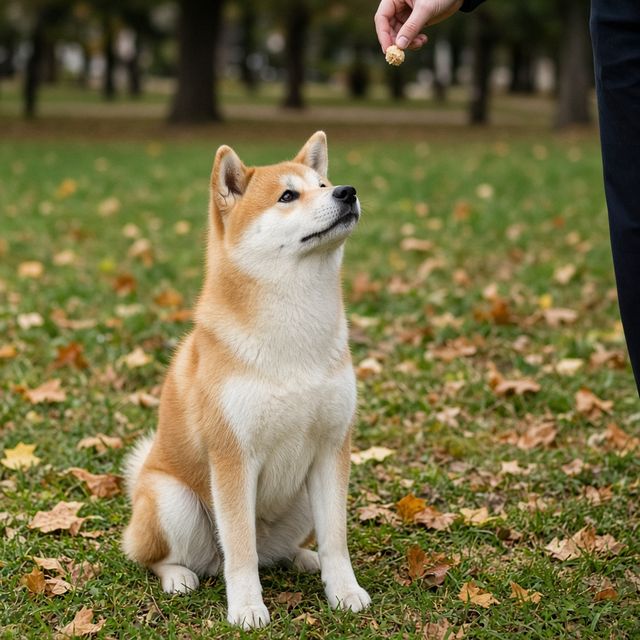
Training that works
- Keep it short: a few minutes, a few times a day, ending on a success.
- Reward what you like: food, toys and calm praise, never harsh corrections.
- Be consistent: everyone in the home uses the same words and rules.
- Expect thinking time: an Akita may pause before responding. That is normal.
Socialisation
Gentle, positive experiences of people, places, sounds and handling in puppyhood help an Akita grow into a confident adult. Socialisation does not mean an Akita will love every dog; it means it can stay calm around the world.
Other dogs and pets
Many Akitas do not get on with other dogs, especially of the same sex, and some have a strong chase instinct towards small animals. Introduce carefully, supervise, and accept that some Akitas are happiest as the only dog.
Exercise and home
| Need | What it looks like |
|---|---|
| Daily walks | Steady walks on a lead, with time to sniff. |
| A secure garden | High, solid fencing and closed gates. |
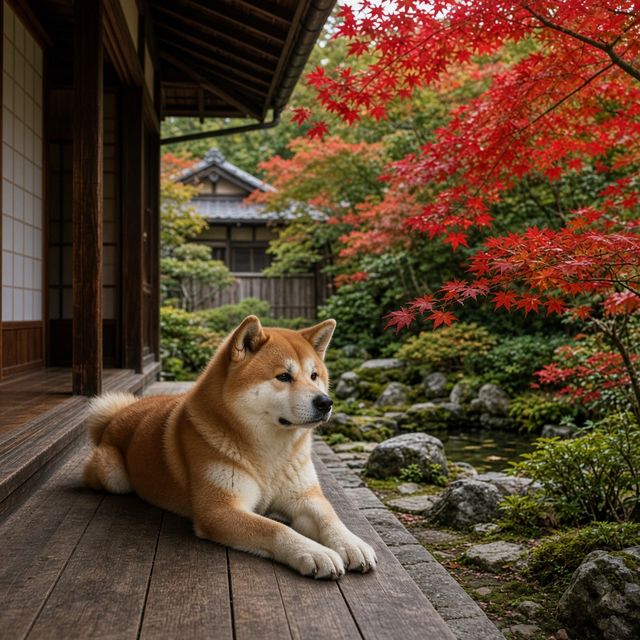
| A quiet spot | A place to rest away from busy family traffic. |
| Mental work | Puzzle feeders, scent games and short training sessions. |
Children and visitors
Always supervise dogs and children together, teach children to leave a resting dog alone, and give your Akita a safe place to retreat when visitors arrive. For behaviour worries, ask a qualified, reward-based trainer or behaviourist.